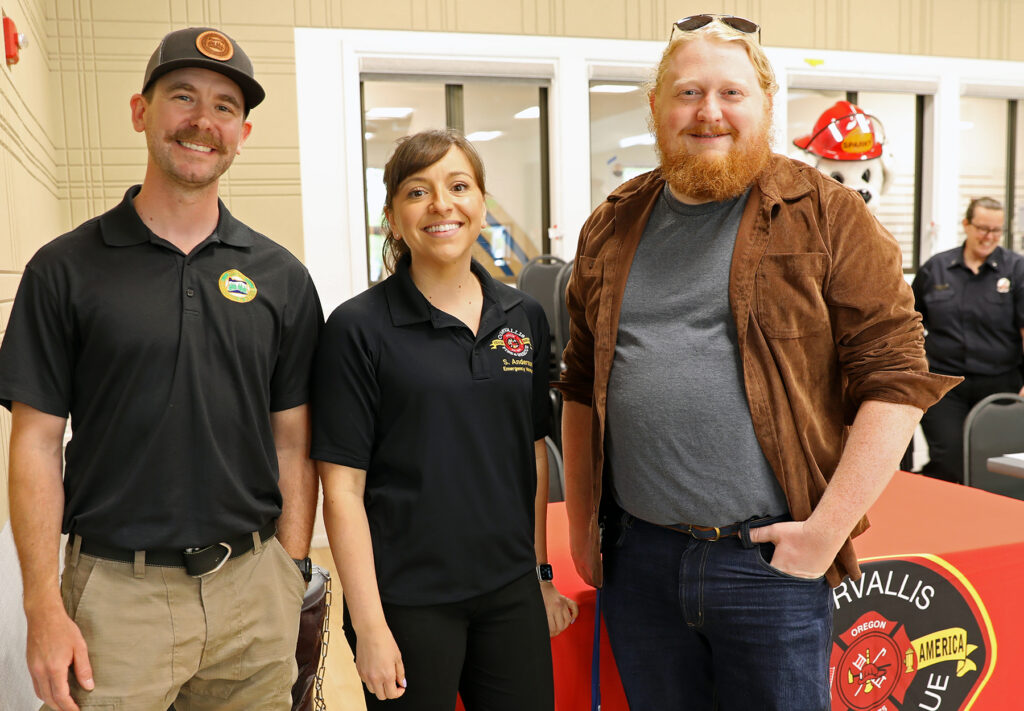
Gabe Shepherd, right, Benton County commissioner, Sierra Anderson, City of Corvallis emergency manager, and Leo Williamson, a forester with the Oregon Department of Forestry, pause for a photo during the Wildfire Readiness Fair in Corvallis on May 2.
In neighborhoods across Benton County, a quiet transformation is about to begin. It’s one that starts with as little as 50 square feet of soil and a willingness to try something new.
Nature Neighbors , a partnership of the Greenbelt Land Trust and the Benton Soil and Water Preservation District, is a new program in Benton County to help residents turn everyday spaces into thriving habitat for pollinators, birds and other wildlife. Through hands-on guidance, small grants and community support, the program empowers people to make meaningful environmental change where they live.
For Sara Roberts, the program is both a professional project and a personal mission.
Roberts, a community engagement coordinator with Benton Soil and Water Preservation District, leads outreach efforts that include public-facing programs, K-12 field trips and one-on-one support for property owners. At the heart of that work is a simple idea: anyone can help wildlife, regardless of how much space they have.
“People don’t need a large property to make a difference,” Roberts said. “This program shows that even a small plot can create valuable habitat connections across neighborhoods and, ultimately, larger-scale wildlife corridors.”
The program also reflects a broader vision from Greenbelt Land Trust to connect people, land and wildlife across the region.
“Greenbelt Land Trust is co-launching Nature Neighbors with the Benton Soil and Water Conservation District, a demonstration of the strong partnership between these two organizations that goes back decades. Greenbelt sees collaborations as the key to successful conservation,” said Jessica McDonald, Greenbelt Land Trust executive director. “By jointly stewarding this emerging community program, we are leveraging the strengths of both organizations and building a program that is lasting.”
McDonald said even small actions taken by individual households can have a meaningful impact at a larger scale.
“Even a small native habitat can make a big difference for wildlife,” she said. “By transforming urban spaces, even micro yards, into flourishing mini native habitats, we are creating habitat stepping stones that traverse our communities, enabling wildlife to move, adapt and thrive.”
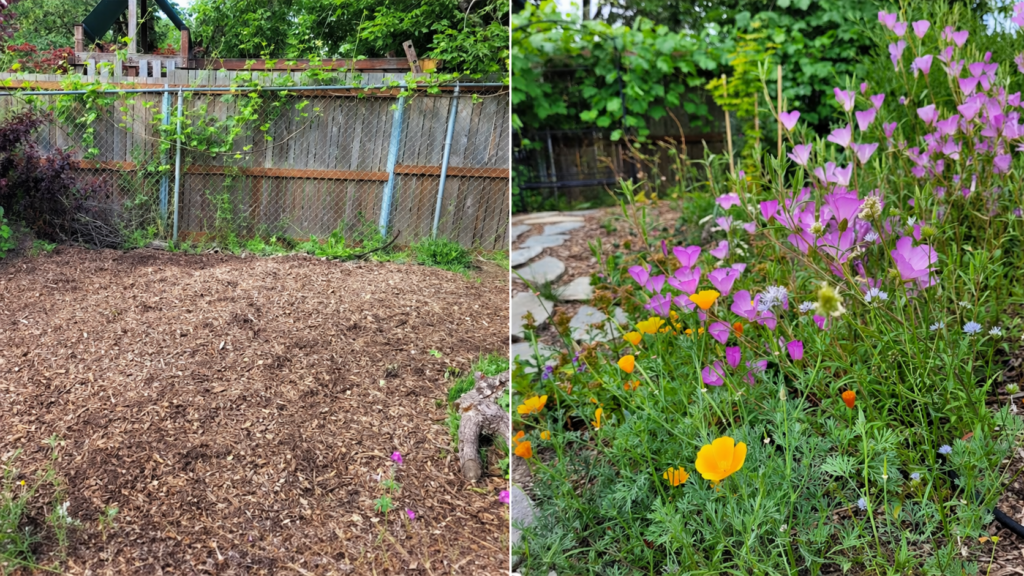
The Nature Neighbors program focuses on replacing invasive plants with native species, improving soil health and building landscapes that are more resilient to drought and wildfire. Participants receive guidance through a step-by-step certification process that includes site visits, a habitat handbook and personalized recommendations. Those who complete the program earn a yard sign recognizing their contribution to local habitat.
And the effort goes beyond plants.
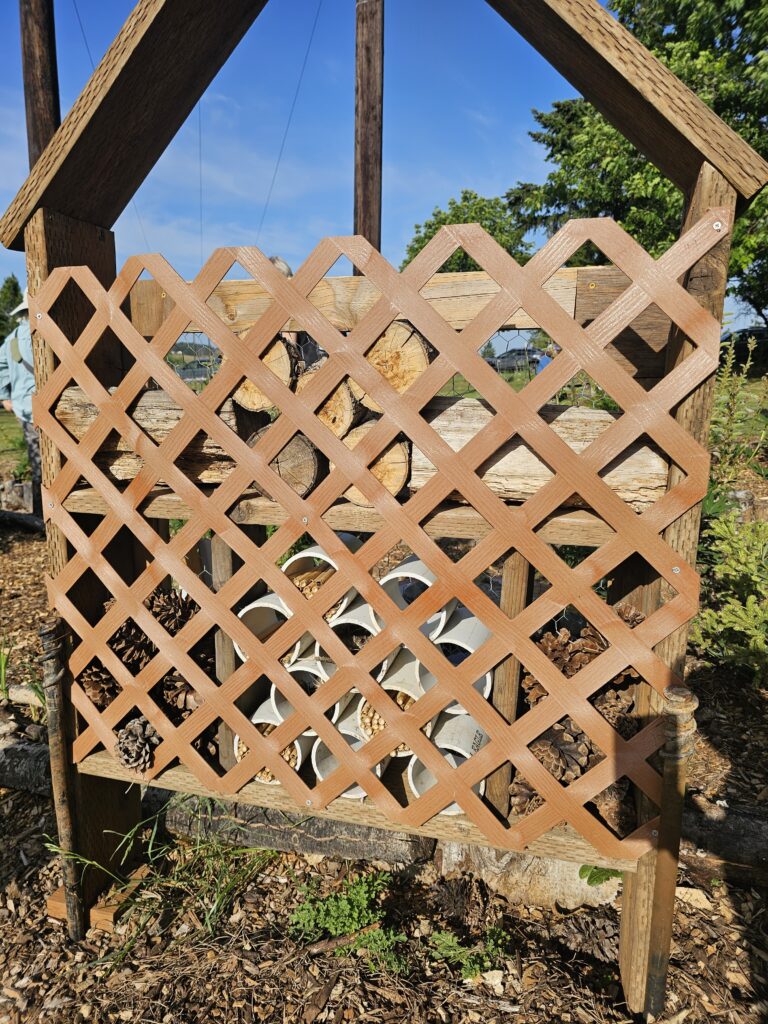
Roberts said residents can incorporate features like birdhouses, water sources and pollinator habitat while learning how to make their spaces more supportive for wildlife overall.
Equity is also a key part of the program’s design. Mini scholarships and small grants help offset the cost of plants and tools, ensuring more people can participate.
“For those who need assistance, a volunteer cohort including students from Oregon State University can help with installation and maintenance, making the program more accessible to older adults and others who may not be able to do the work themselves,” she said.
Roberts said the idea for a program like this has been years in the making.
“When I first got into native plant gardening, there just wasn’t much support,” she said. “I remember doing all the research on my own and wishing something like this existed. This community has a strong culture of people who want to be a part of a growing habitat movement. We just needed a way to provide the right resources.”
Michael Ahr, executive director for Benton Soil and Water Conservation District, said the program is an opportunity to get more community members involved in practical, hands-on conservation work.
“We’ve spent a lot of time working with private landowners on larger properties,” Ahr said. “Nature Neighbors gives us a chance to engage smaller property owners in that same work, especially when it comes to controlling non-native species and improving habitat.When more property owners take part, the benefits add up across the community.”
Nature Neighbors builds on successful models across Oregon, including the Backyard Habitat Certification Program in the Portland metro area, and similar efforts in Marion, Polk, Lane and Yamhill counties. Now, Benton County is bringing that approach to its own communities, with a focus on local needs and partnerships.
For Benton County Sustainability Coordination Jennifer Brown, the program aligns closely with broader County goals that prioritize sustainability.
“The Nature Neighbors program helps people preserve and create habitat for pollinators, birds and other wildlife,” Brown said. “This program gives community members a meaningful way to make a difference.”
That impact extends beyond individual yards. By encouraging native plantings and better land stewardship, the program supports stormwater management, biodiversity and climate resilience across the County.
“It’s going to take us all to preserve what we have,” Brown added.
Community members interested in getting involved can enroll in the program and learn more at the Nature Neighbors website. An upcoming public information session on April 29 will offer a chance to explore how to get started and connect with program partners.
As more residents take part, the vision is simple but powerful: a patchwork of small, intentional spaces can grow together into something much larger.The path to healthier ecosystems can start right outside the front door.
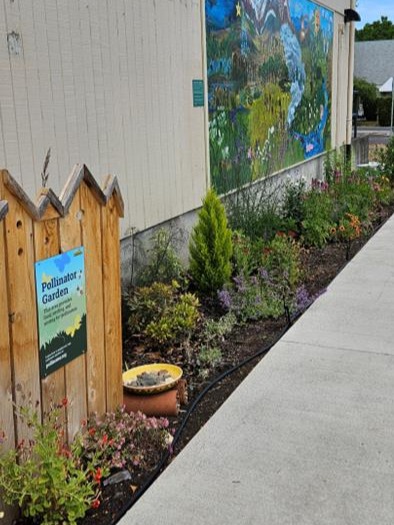
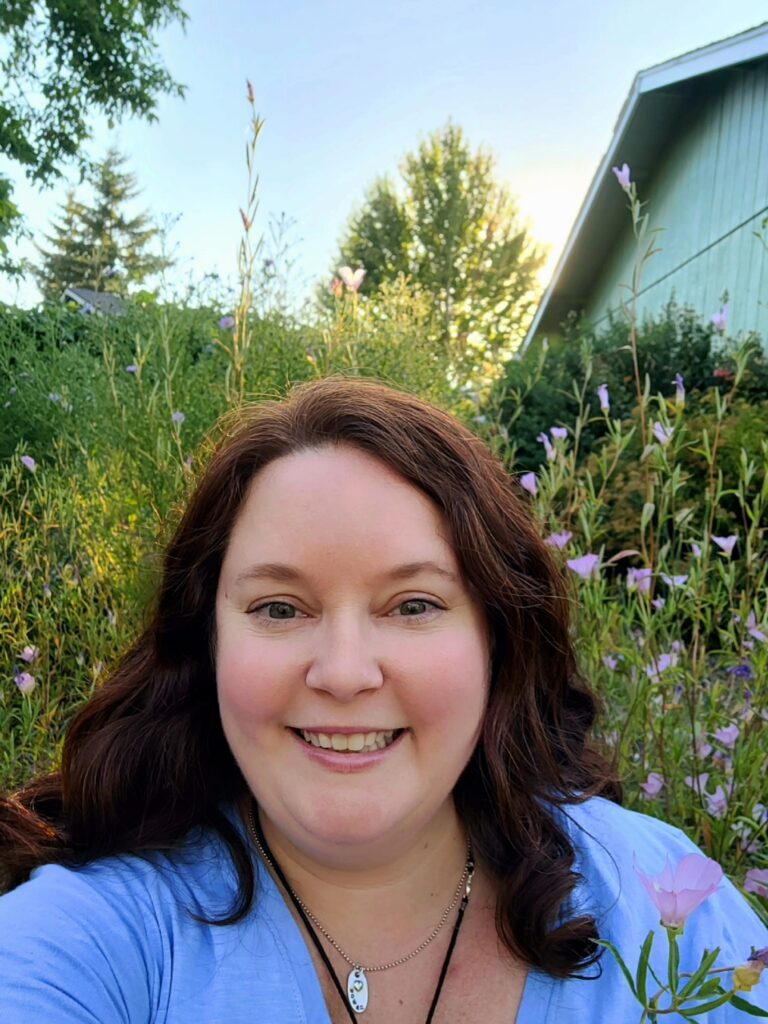
Students at Mountain View Elementary created this pollinator garden with funding from Benton SWCD, bringing beauty and biodiversity to a previously-bare sidewalk strip. Photo Credit: Nancy TovarSara Roberts at her own native wildflower garden.Insect “hotels”, such as this one at Chintimini Wildlife Center, provide abundant habitat for a number of species of pollinators and other bugs, and are easy to build. Photo credit: Sara Roberts