
Deputy District Attorney shares family story as Benton County marks Day of Remembrance
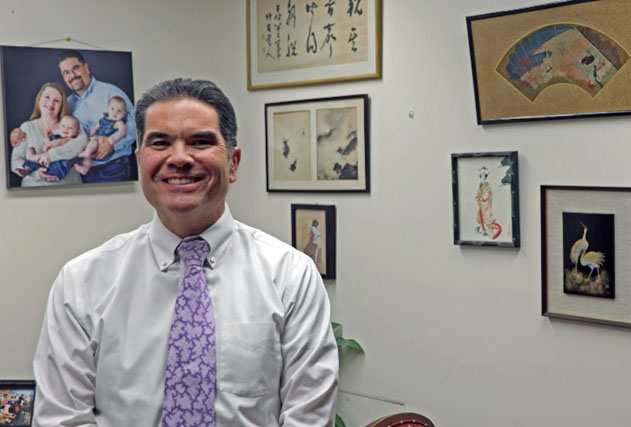
As Benton County prepares to recognize the Day of Remembrance for Japanese Americans incarcerated during World War II, Benton County Deputy District Attorney Kevin Hashizume says the annual observance carries deep personal meaning rooted in his family’s history.
The national Day of Remembrance commemorates the signing of Executive Order 9066 in 1942, which led to the forced removal and incarceration of more than 120,000 Japanese Americans. Communities across the United States hold events each February to honor those affected and reflect on civil rights and civil liberties.
At the Feb. 17 Benton County Board of Commissioners meeting, Dr. Janet Seiko Nishihara, director of the Educational Opportunities Program at Oregon State University, will read a proclamation recognizing February 19 as the Day of Remembrance of Japanese Americans Incarcerated During WWII.
One year ago, Dr. Nishihara read a proclamation before the Board of Commissioners and reflected on both injustice and resilience. She said sharing personal and family histories remains critical to ensuring the broader community understands the lasting impacts of incarceration and why the message of “Never Again” must continue.
“Our stories are two of the thousands from the incarceration and can add greatly to the understanding of the larger community about the ramifications of what happened and why ‘Never Again’ is a theme that we must keep going,” Nishihara said.
She also emphasized that remembrance includes recognizing both the hardships faced and the strength communities demonstrated under confinement.
“Despite the conditions in which they lived, Japanese Americans were resourceful and stood up systems and structures that continued to bring their community together,” Nishihara said during the Feb. 2025 reading. “During this time, they created their own churches, post offices, security departments, fire brigades, schools, and recreational and educational activities for the many children in the camps. While all of these activities and internal structures were built by the incarcerated Japanese residents, they were still surrounded by armed guards and barbed wire, which were constant reminders of the denial of their civil rights.”
For Hashizume, this history hits close to home. His father, Naotaka “John” Hashizume, was a young child when his family was incarcerated at the Heart Mountain camp in Wyoming. Growing up, Kevin Hashizume said the experience was rarely discussed directly at home.
“We just called it ‘camp,’” Hashizume said. “As kids we thought it was like a summer camp or something.”
He said it was not until adulthood that he fully understood the emotional weight the experience carried for his father. Looking back, he began to notice patterns — including his father’s reluctance to travel outside California.
“He wanted to stay where he felt safe and comfortable, and he wouldn’t always say why,” Hashizume said. “It wasn’t until I was older that I realized how much it affected him.”
Hashizume said his own visit to Heart Mountain brought a new level of understanding. Seeing the location in person while his
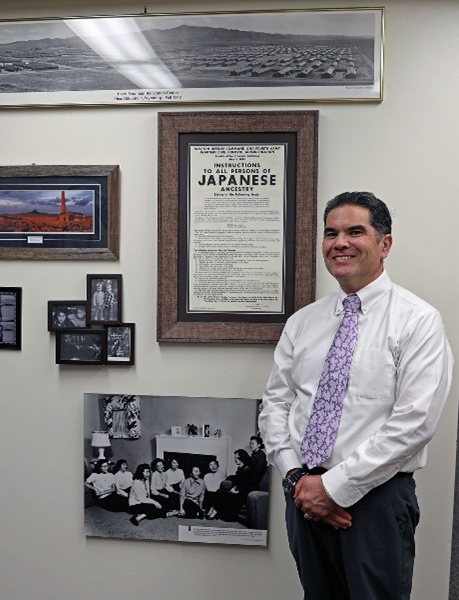
children were close to the same age his father had been at the time created a powerful emotional connection.
“I thought about what that must have been like and whether I would have been strong enough,” he said. “They had a comfortable life in Hollywood with a nice house. Everything was taken, and they left with only what they could carry.”
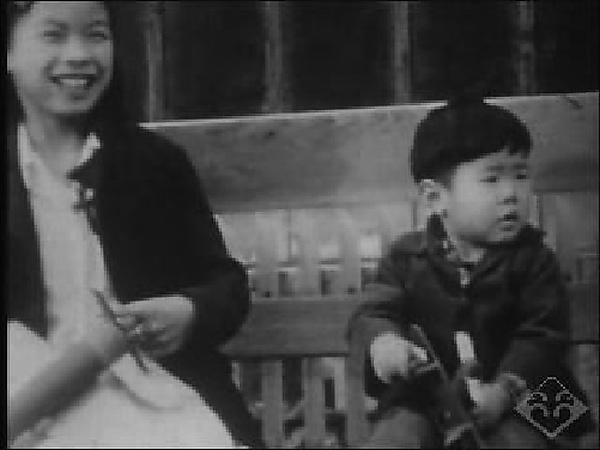
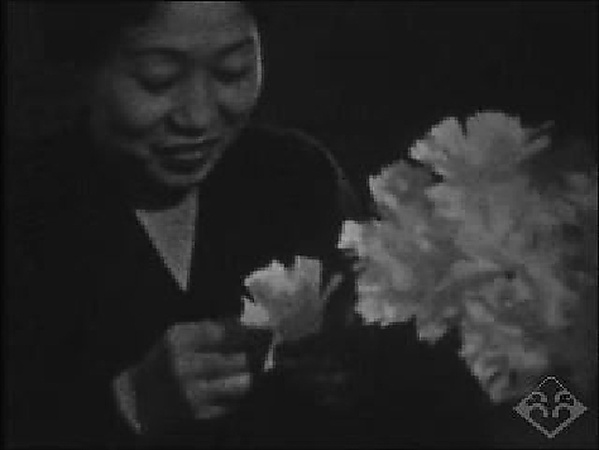
Watching preserved home movies and photographs of his family playing as children while at Heart Mountain added another layer of emotion. Hashizume said he is proud his grandfather intentionally documented and safeguarded that history.
“It’s something we were never taught in school,” he said. “To know my grandfather put real effort into preserving it means a lot to be able to bring that history back into focus.”
The Hashizume family maintains strong ties to the Japanese American National Museum and to the Heart Mountain Interpretive Center in Wyoming, where interviews, photographs and artifacts connected to the family are archived and shared with the public.
Hashizume also noted that some modern migrant detention facilities exist near or on the same sites as former incarceration camps, one reason many families and advocacy groups continue to speak out and work to keep the history visible.
Benton County District Attorney Ryan Joslin said Hashizume’s family connection makes him a valuable resource when discussing the topic. Joslin noted that Hashizume keeps several historic photographs and related items displayed in his office and willingly shares them to help others better understand the history.
While D.A. Joslin does not have a personal family connection to wartime incarceration, the subject is meaningful to him. He lived in Japan from 1987 to 1989 and later majored in Japanese as an undergraduate, experiences he said gave him a lasting appreciation for the people of Japan, their culture and history.
An interview with Naotaka “John” Hashizume, conducted by the Japanese American National Museum when they brought part of the Eaton Collection to the Oregon Nikkei Legacy Center in 2016, is available on Japanese American National Museum YouTube.
Amateur footage from the Hashizume family collection, including scenes from Heart Mountain, is available through Discover Nikkei.
Proclamations read before and adopted by the Benton County Board of Commissioners are a tool to formally acknowledge history and promote public understanding. The Hashizume family’s history serves as an important local example of the relevance of continuing to honor and learn from the past.